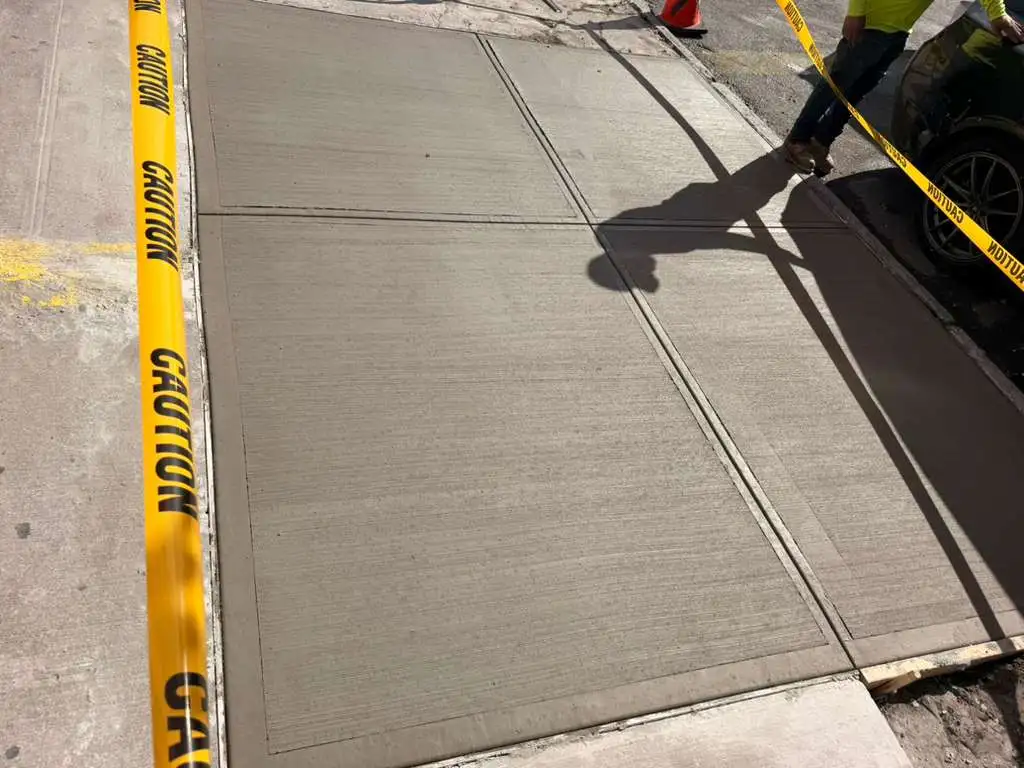
Finding a Notice of Sidewalk Violation taped to your building or sitting in your mailbox is unsettling. But it doesn't have to turn into a crisis. Every year, thousands of New York City property owners get one of these notices from the Department of Transportation, and most of them clear it up without a fine, a lawsuit, or a big headache. Here's what a sidewalk violation actually means, who's on the hook to fix it, and the steps you need to take to clear it fast.
What Is an NYC Sidewalk Violation?
A Notice of Sidewalk Violation is an official notice from NYC DOT saying the sidewalk in front of your property has a defect that could be a safety hazard. Think cracked slabs, uneven flags, trip hazards, or crumbling concrete. Inspectors issue these during routine sweeps, after a 311 complaint, or as part of a neighborhood improvement project.
Here's the good news: a sidewalk violation is not a fine. It's a correction notice. You won't owe the city money just for receiving one, but you are now on the clock to fix the problem.
Ready to stop worrying about the paperwork? Get a free sidewalk inspection from a licensed NYC contractor and find out exactly what your notice requires before you do anything else.
Who's Responsible for Sidewalk Repairs?
Under New York City Administrative Code Section 7-210 and Section 19-152, the owner of the property next to the sidewalk is legally responsible for keeping it in safe repair, not the city, and not the tenant. That includes homeowners, landlords, co-op and condo boards, and commercial property owners.
There's one narrow exception. If the damage was caused by a city-owned street tree's roots, you may qualify for the Parks Department's tree-related sidewalk repair program, which can cover part or all of the cost. Damage caused by a utility company's excavation work is also their responsibility, not yours, but you'll need to document it and file a claim directly with that company.
The 75 Day Clock (and the 10 Day Emergency Clock)
Once your violation is issued and filed with the County Clerk's office, you generally have 75 days to complete repairs. If the defect is severe enough to be an immediate hazard, like a collapsed or impassable section, that window shrinks to just 10 days.
Miss the deadline and NYC DOT can send its own contractor to make the repair for you, then bill you through the Department of Finance, usually at a much higher rate than a private contractor would charge. That bill can turn into a lien on your property, which becomes a real problem the next time you try to sell or refinance.
Don't wait until day 74 to start. The earlier you begin, the more contractor options and pricing flexibility you'll have.
Step by Step: How to Fix Your Sidewalk Violation
1. Read the Notice Carefully
Your notice includes a diagram marking the exact slabs (flags) flagged as defective, the violation date, and your repair deadline. Walk the sidewalk with this diagram in hand and confirm the flagged sections match what you're seeing.
2. Hire a DOT Registered Contractor
Sidewalk repairs need to be performed, or at least permitted, by a contractor registered with NYC DOT. Homeowners of 1 to 3 family houses can sometimes pull permits themselves and do the work personally, but for larger buildings or commercial properties, a registered contractor is required.
This is the step where most people get stuck. Comparing bids, checking registration status, and making sure the scope of work actually matches your violation notice takes time you may not have. A quick call to a specialist can save you weeks.
3. Get a Sidewalk Repair Permit
Before any concrete gets broken up, your contractor has to pull a sidewalk repair permit from DOT. Work done without a permit can get flagged as illegal construction, which just adds a whole new problem on top of your original violation.
4. Complete the Repair to DOT Specifications
NYC has strict standards for sidewalk repairs: expansion joints every 20 linear feet, joints at each property line and where the curb meets the sidewalk, and detectable warning surfaces (truncated domes) on any pedestrian ramps being replaced. Cutting corners here usually just means failing the dismissal inspection and having to redo the work.
5. Schedule Your Dismissal Inspection
Once the repair is done, call 311 to schedule a Sidewalk Violation Dismissal inspection. Have your permit number, property address, block and lot, and violation number ready. A DOT inspector will confirm the work meets code, and once it's approved, the violation is officially cleared from city and County Clerk records.
Can You Contest a Violation?
Yes. If you think the notice is inaccurate, wrong location, already repaired, or a misidentified slab, you can contact 311 to file an appeal. DOT will schedule a re-inspection, generally within 180 days, and that visit becomes the final word on it.
Why Speed Matters
An open sidewalk violation isn't just a compliance box to check, it's a liability. Under Section 7-210, property owners can be held financially responsible for injuries caused by sidewalk defects. Open violations also turn up in title searches and can slow down or complicate a property sale or refinance. Clearing the violation quickly protects your wallet and your legal exposure at the same time.
Frequently Asked Questions
How many days do I have to fix a sidewalk violation in NYC?
Generally 75 days from the date the notice is issued or posted. If the defect is an emergency, like a collapsed or impassable sidewalk, that window drops to 10 days.
Is there a fine attached to a sidewalk violation?
No. A Notice of Sidewalk Violation is not a monetary fine by itself. It's a correction notice. The costs come in if you miss the deadline and the city does the repair for you, or if someone gets hurt on a sidewalk you failed to fix.
Can I repair the sidewalk myself?
If you own a 1 to 3 family home, you may be able to pull a permit and do the work yourself. Larger residential buildings and commercial properties generally need a DOT registered contractor to take out the permit and perform the repair.
What happens if I miss the 75 day deadline?
DOT can hire its own contractor to make the repair and bill you through the Department of Finance. Those bills tend to run higher than hiring your own contractor, and unpaid amounts can turn into a lien on your property.
How do I get the violation removed once repairs are done?
Call 311 to schedule a Sidewalk Violation Dismissal inspection. Bring your permit number, address, block and lot, and violation number. Once a DOT inspector confirms the work meets code, the violation is cleared from city records.
Am I responsible if a city tree damaged my sidewalk?
Possibly not entirely. If a city owned street tree's roots caused the damage, you may qualify for a Parks Department program that covers part or all of the repair. It's worth checking before you pay out of pocket.
Can I dispute a violation I think is wrong?
Yes. Contact 311 to file an appeal if you believe the notice has incorrect details. DOT will schedule a re-inspection, usually within 180 days, and that visit is treated as the final determination.
Get Your Sidewalk Fixed the Right Way
Fixing a sidewalk violation doesn't have to eat up your summer or drain your budget, but it does take the right permit, the right contractor, and repairs done to exact DOT spec the first time around.
Get a free, no obligation sidewalk inspection today. A licensed NYC contractor will review your violation notice, walk your property, and give you a clear repair plan and quote, so you can stop worrying about the deadline and get back to normal.
Already have your quote? Schedule your repair now and let a DOT registered team handle the permit, the concrete work, and the final dismissal inspection for you, start to finish.