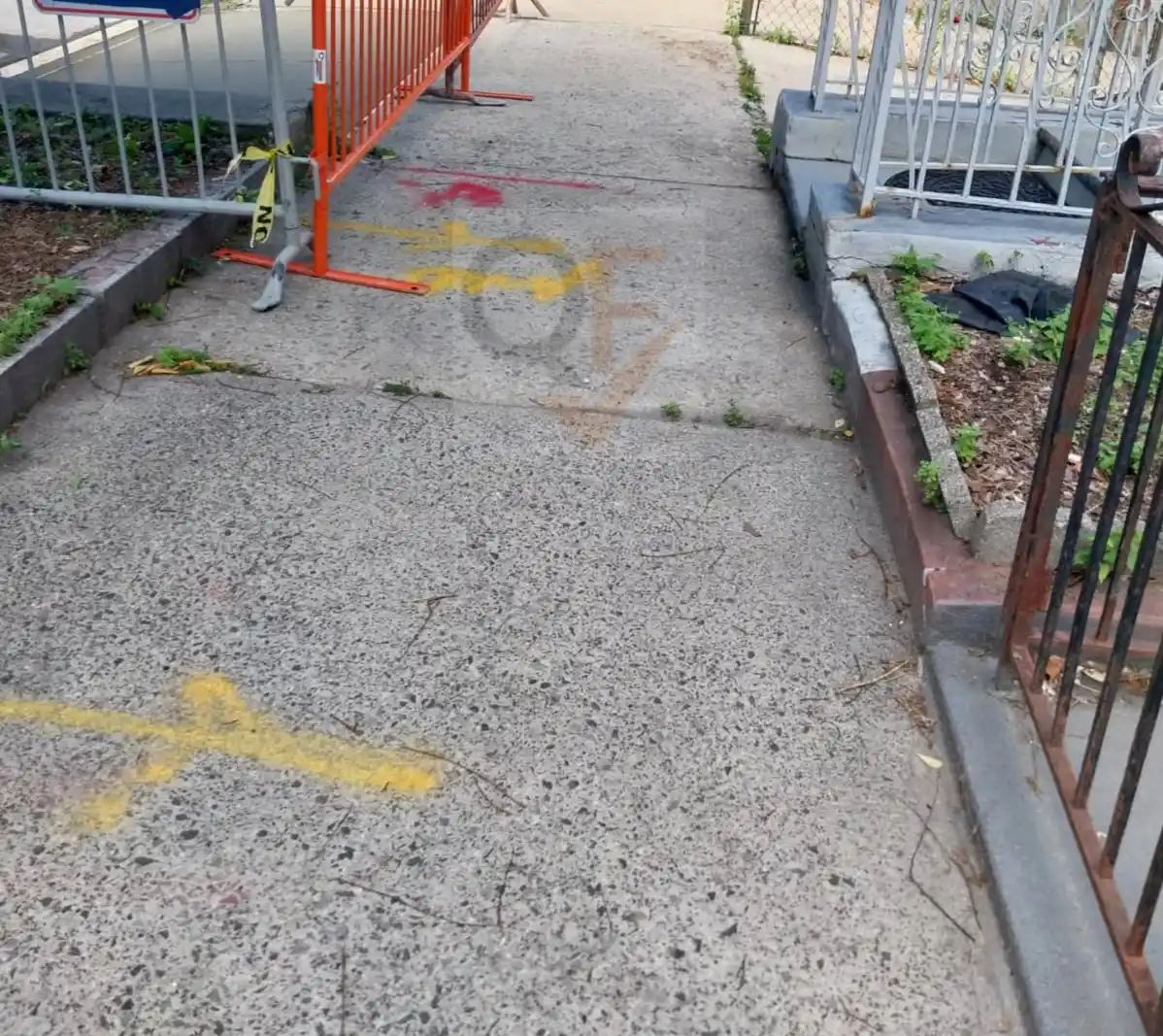
If your property sits in an NYC historic district where the Landmarks Preservation Commission (LPC) regulates sidewalk paving, you need LPC approval before any repair or replacement starts. You apply through LPC’s online portal, Portico, a staff preservationist reviews your plans, and a permit is issued once the work meets the commission’s rules. Only after that should your contractor move on to the DOT sidewalk permit. Here is how the process works.
First, Find Out Whether You Need LPC Approval
LPC does not review every sidewalk in every historic district. It only regulates paving where sidewalks are a significant part of the streetscape, including Brooklyn Heights, Park Slope, Cobble Hill, Greenwich Village, SoHo-Cast Iron, and Tribeca. The full list is in Chapter 10 of the LPC Permit Guidebook.
According to the guidebook, you do not need a permit for:
-
Sidewalk paving replacement in a historic district where paving is not considered a significant feature
-
Sidewalk work at an individual landmark that falls outside the landmark site boundaries
-
Repainting cast iron vault lights black
One exception applies everywhere. LPC regulates new or expanded tree pits and bioswales in all historic districts, and NYC Parks must approve them too.
Search your address on the Discover NYC Landmarks map to see how the rules apply. If you are still unsure, call LPC at 212-669-7817 or email info@lpc.nyc.gov. NYC311 also states that the city must pre-approve work on a landmark site, sidewalks included.
Step 1: Research Your Sidewalk’s History
LPC wants new paving to harmonize with what was there before and with the sidewalks next door. Before you plan anything, find out what your sidewalk looked like historically. The guidebook points to 1940s and 1980s tax photos in the NYC Municipal Archives. Note any bluestone, granite, or cast iron vault lights that remain, since those features must be kept where feasible.
Step 2: Gather Your Application Materials
Requirements vary by project, but most sidewalk applications include:
-
Color photos of the whole building and close-ups of the sidewalk work, including adjacent sidewalks
-
A plan of the existing sidewalk (if historic) and the proposed work, showing the paving pattern
-
A section drawing if the new sidewalk is stone
-
Material specifications, such as stone type, concrete tint, and paver dimensions
-
A conditions assessment if you are replacing historic paving or cast iron vaults
-
DOB filing drawings, if the work also needs a Department of Buildings permit
Step 3: File Through Portico
All LPC applications go through Portico. You will need an NYC.ID account, and every team member, including the owner, needs one too. The portal walks you through six steps: find your property, add contact details, answer the Application Assistant’s questions, upload documents, confirm the uploads, and sign off with an owner attestation.
The Application Assistant works out which permit applies, so you do not have to guess. There is no fee to submit, though LPC charges fees for certain kinds of work.
Step 4: Staff Review
Once you submit, LPC assigns a docket number and a staff preservationist. That person checks whether your work fits the commission’s rules and whether your application is complete. If something is missing, you get an email with a Materials Checklist. An application left incomplete for more than 90 days may be withdrawn.
Most projects never reach a public hearing. LPC reports that 95 percent of its permits are issued at staff level. If your plan does not meet the rules, staff may suggest alternatives that do. If you would rather keep your original design, you can present it to the commissioners at a public hearing and request a Certificate of Appropriateness.
Know the Material Rules Before You Design
Designing to the rules is the fastest way to a staff-level approval. Here is what the guidebook says staff can approve:
-
Bluestone: Heavily damaged pavers can be replaced, but intact portions that meet DOT size requirements must stay. New pavers must match the existing ones in size, color, and pattern, and be set on a level, non-cement base with joints between 1/8 and 3/16 inch wide.
-
Granite: New pavers must match the existing ones in dimension, color, and edge treatment, and have a slip-resistant finish.
-
Concrete: Concrete is fine if the sidewalk was historically concrete or no stone remains. Next to historic stone, the concrete must be tinted to match and scored with saw-cut joints that mimic the stone flags.
-
Curbs: Existing bluestone and granite curbs should be retained whenever possible.
-
Accessibility: Pedestrian ramps on concrete sidewalks must be tinted to match the adjacent paving. Detectable warning units are allowed.
How Long LPC Approval Takes
The clock starts when LPC deems your application complete. The commission must issue a permit within these timeframes:
-
Certificate of No Effect: 30 working days
-
Permit for Minor Work: 20 working days
-
Certificate of Appropriateness: 90 working days
Staff-level permits usually arrive faster than those limits. Portico also routes qualifying projects to LPC’s expedited services, such as FasTrack and the Expedited Certificate of No Effect. Once issued, download the permit from your Portico dashboard and post it prominently at the building while work is under way.
Step 5: Move On to the DOT Permit
LPC approval does not replace DOT’s. The city’s Street Design Manual says sidewalk work in LPC-regulated districts needs LPC approval before construction begins. Your contractor then applies for the sidewalk construction permit through nycstreets.net. DOT currently charges $70 per 300 linear feet.
If you are fixing a violation, keep the calendar in mind since a sidewalk permit does not extend the 75-day repair period. So if your property is in a regulated district, start the LPC application as soon as the notice arrives. The permit timeframes above run on working days, and they can eat into your window quickly.
Let QuickFix Handle the Paperwork and the Pour
Landmark sidewalk work has more moving parts than a standard repair: historic materials, tint specifications, Portico filings, and a DOT permit that has to follow close behind. QuickFix Sidewalk NYC can help you plan compliant repairs, line up the right documentation, and keep your project moving.
Reach out to us today to talk through your property and get a clear path to approval and final violation dismissal.